
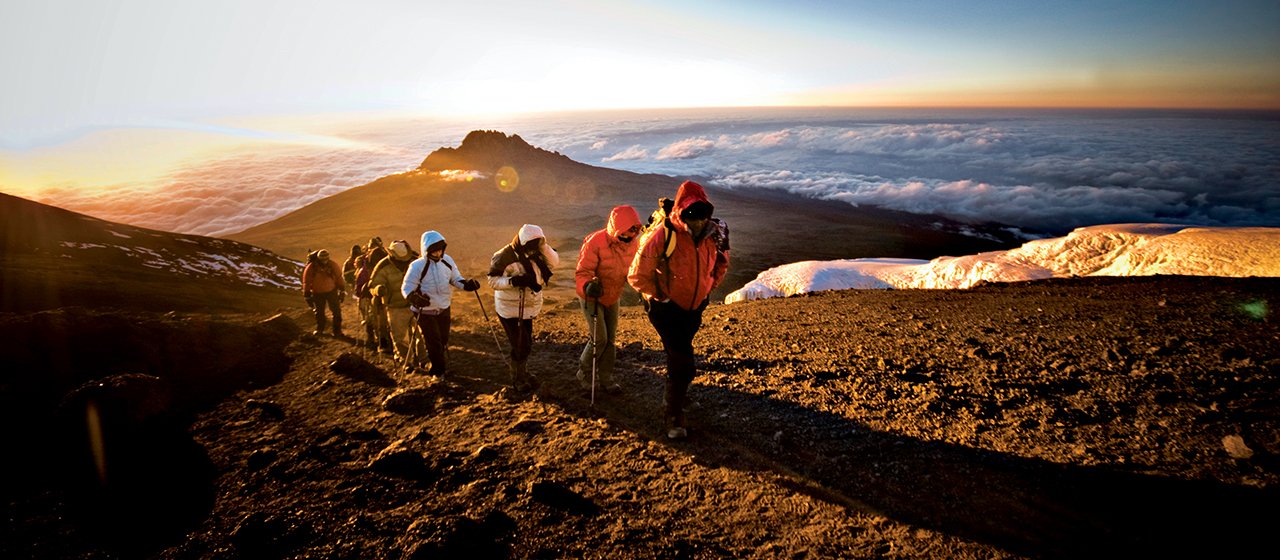
Africa's Highest Peak - Conquer the Roof of Africa
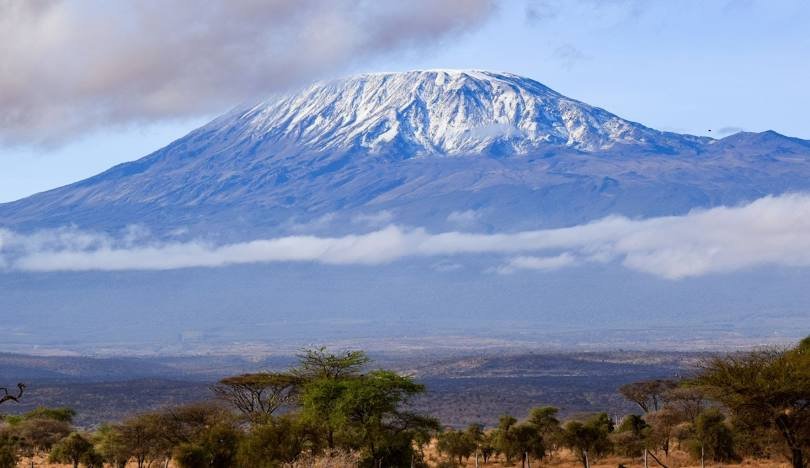
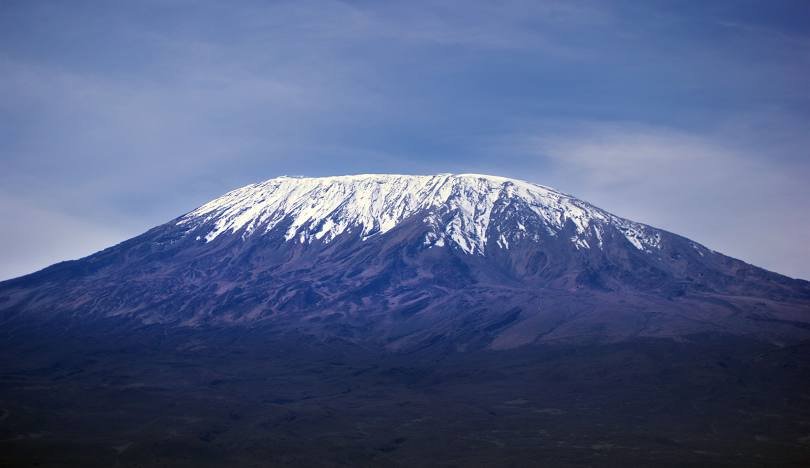
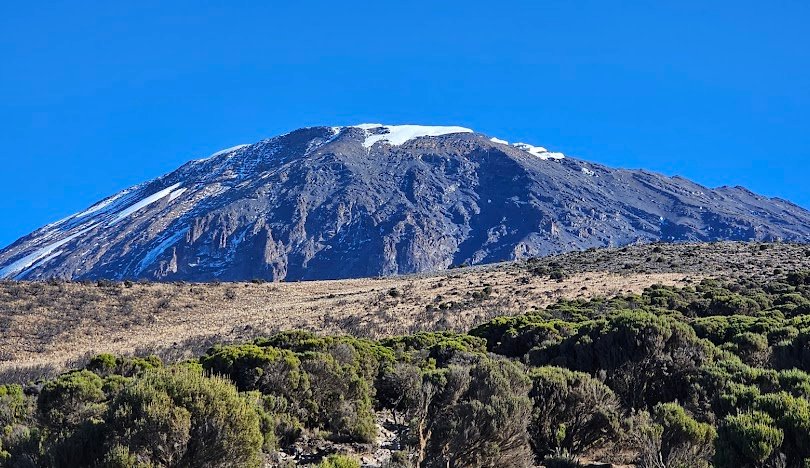
Rising majestically above the Tanzanian plains, Mount Kilimanjaro is the tallest free-standing mountain in the world and the crown jewel of Africa. Its snow-dusted summit, Uhuru Peak, stands at 5,895 meters (19,341 feet) above sea level, challenging adventurers while captivating the hearts of all who behold it.
Kilimanjaro is a journey through extraordinary landscapes: from dense tropical rainforests teeming with wildlife, to misty montane forests, alpine meadows, and barren, otherworldly slopes near the summit. Each step rewards hikers with stunning vistas, unforgettable encounters with nature, and a sense of personal triumph unlike any other.
Whether you are an experienced climber seeking the ultimate challenge, a nature lover craving unique biodiversity, or a photographer chasing epic panoramas, Kilimanjaro delivers a life-changing adventure. With Africa Prime Experiences, enjoy expert-guided climbs, luxury accommodations along the trail, and all the support you need to conquer Africa's iconic peak safely and memorably.
Embark on this once-in-a-lifetime journey with Africa Prime Experiences, where adventure meets luxury, safety, and expert guidance. Conquer Africa's Roof with us—lifetimes summit sunrise.
Mount Kilimanjaro, located in Tanzania near the Kenyan border, is not only the tallest mountain in Africa but also the world's highest free-standing mountain, standing at 5,895 meters (19,341 feet) above sea level. Known for its breathtaking landscapes, Kilimanjaro features five distinct ecological zones, from lush rainforests at the base to alpine deserts and glaciers at the summit.
Lush farmland and vibrant villages surround the base of the mountain. This area is home to the local Chagga people, who cultivate crops such as bananas, coffee, and maize, creating a rich cultural and agricultural landscape.
A dense tropical rainforest filled with life. This zone features monkeys, exotic birds, butterflies, and a rich diversity of plant species, offering a magical and vibrant trekking environment.
Open heather and moorland landscapes dotted with giant lobelias and groundsels. This zone offers panoramic views, dramatic scenery, and unique high-altitude flora.
A harsh, barren environment with rocky terrain, sparse vegetation, and extreme temperature changes between day and night. The landscape feels wild and otherworldly.
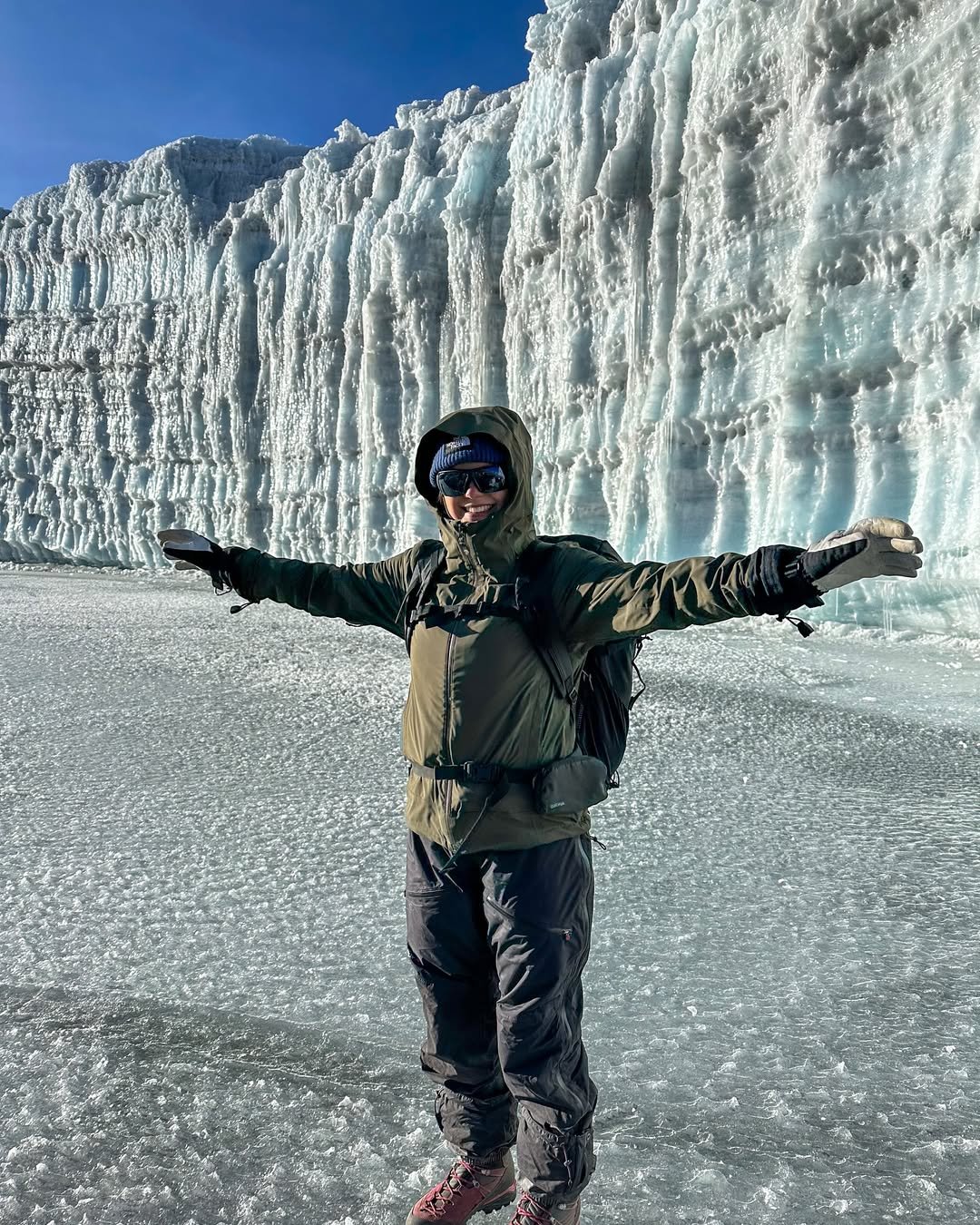
The summit zone of Mount Kilimanjaro, characterized by glaciers, ice fields, and the iconic snow-capped peak. This dramatic, icy environment creates a powerful contrast to the lush zones below and marks the final stage to the summit.
Experience sweeping, breathtaking vistas at every stage of your climb, culminating in the awe-inspiring Uhuru Peak, Africa's highest point—a view you'll remember for a lifetime.
Our skilled local guides, porters, and cooks ensure every step of your journey is safe, smooth, and comfortable, allowing you to focus entirely on the adventure.
Daily hikes range from 4–8 hours, designed for steady progress, with summit day carefully structured to maximize success and enjoyment over 10–12 hours of climbing.
Ascending thousands of meters requires preparation. Our itinerary prioritizes acclimatization, safety, and well-being, ensuring a rewarding and secure climb for every adventurer.
Every moment on Kilimanjaro—from lush rainforests to alpine deserts—is curated to create memories that last a lifetime. This is more than a climb; it's a journey of achievement, wonder, and inspiration.
Marangu Route – The famous "Coca-Cola Route": easiest path, gradual ascent, and cozy hut accommodations. Perfect for first-time climbers.
Machame Route – Known as the "Whiskey Route": tough, scenic, and perfect for adventure seekers.
Umbwe Route – Kilimanjaro's steepest climb: intense, challenging, and for highly experienced trekkers only.
Lemosho Route – Stunning, remote, and beginner-friendly. A photographer's paradise with high summit success.
Rongai Route – Kilimanjaro's northern path: dry trails, fewer crowds, and perfect for the rainy season.
Northern Circuit – Kilimanjaro's longest route: breathtaking panoramas, excellent acclimatization, ideal for seasoned hikers.
Mweka Route – Descend Kilimanjaro through stunning forests and breathtaking landscapes with Africa Prime Experiences.
Coca-Cola Route: easiest path, hut accommodations. Perfect for first-time climbers.
Whiskey Route: tougher, scenic, adventure seekers.
Stunning, remote, beginner-friendly. High summit success.
Steepest climb: for experienced trekkers only.
Northern path: dry trails, fewer crowds.
Longest route: excellent acclimatization.
Descent route for Machame/Lemosho circuits.
January to mid-March: Clear skies, warm weather, and vibrant, lush landscapes.
June to October: Cooler temperatures, minimal rain, and excellent trekking conditions.
Mid-March to May: Heavy rains can make trails slippery and challenging.
November: Short rainy season with occasional wet conditions.
Tip: Planning your climb during the dry seasons ensures safer trails, better views, and a more enjoyable summit experience.
Cardiovascular Training: Build stamina and endurance with activities such as hiking, running, cycling, or swimming.
Strength Training: Focus on legs, core, and upper body through squats, lunges, planks, and push-ups.
Flexibility: Incorporate stretching or yoga to enhance flexibility, improve balance, and reduce the risk of injuries.
Practice Hikes: Train on uneven terrain with a loaded backpack to mimic Kilimanjaro's challenging trails.
Altitude Training: Whenever possible, hike at higher elevations to adapt your body to thinner air.
Gear Familiarity: Train with your boots, backpack, and trekking poles to ensure comfort and prevent blisters.
Health and Nutrition: Eat well, hydrate, rest, and consult a doctor to stay fit for the climb.
Training Timeline: Begin your preparation 8–12 weeks before the climb, steadily increasing intensity and duration.
Location: Mount Kilimanjaro is in Tanzania, near the border with Kenya.
Height: Soaring to 5,895 meters (19,341 feet) above sea level, Kilimanjaro is Africa's tallest mountain and the world's highest free-standing peak.
Formation: Kilimanjaro is a dormant volcano with three cones: Kibo (the summit), rugged Mawenzi, and the ancient Shira plateau.
Ecosystems: From lush rainforests to alpine deserts and glacial peaks, Kilimanjaro showcases five unique ecological zones.
First Summit: Kilimanjaro was first conquered in 1889 by Hans Meyer and Ludwig Purtscheller.
Visitors: Kilimanjaro attracts more than 50,000 climbers annually from around the world.
Extra acclimatization days, daily oxygen checks, trained guides, and emergency equipment ensure your Kilimanjaro journey is safe, smooth, and unforgettable.
Nutritious porridge, fresh eggs, toast, and tea or coffee to start your day right.
Wholesome sandwiches, fresh fruits, and warming soups to keep your energy up.
Hearty hot meals featuring rice, pasta, stews, vegetables, and protein to refuel after a day of trekking.
Dietary Options: Vegetarian, vegan, and gluten-free meals are available on request, ensuring everyone enjoys delicious, nourishing food at every altitude.
What is a Group Departure? A group departure is a pre-scheduled trekking or safari trip where individual travelers or smaller groups come together to form one larger group. Each trip has a set departure date and a carefully planned itinerary. By booking a group departure, you'll join other travelers on the same journey, sharing experiences and creating lasting memories along the way.
At Africa Prime Experiences, our group climbs take you along only the finest routes on Mount Kilimanjaro, ensuring a safe, enjoyable, and unforgettable adventure. Choose from a variety of itineraries designed for all levels of trekkers:
Our group climbs are carefully scheduled during the months with the best weather and include acclimatization days to maximize your success rate and enjoyment.
From
$2,360
From
$2,610
From
$2,610
From
$2,611
From
$2,963
From
$3,009
From
$3,258
From
$3,508
From
$4,120
From
$5,220
From
$6,500
From
$7,300
We are committed to the fair treatment, proper equipment, and fair wages for all our mountain crew.
Learn About Our EthicsDuration: 6, 7, or 8 Days. Combine with a Zanzibar beach holiday or a Serengeti safari for a complete experience.
Speak to our expedition experts to craft a climbing itinerary tailored to your experience level and goals.
Plan Your Climb